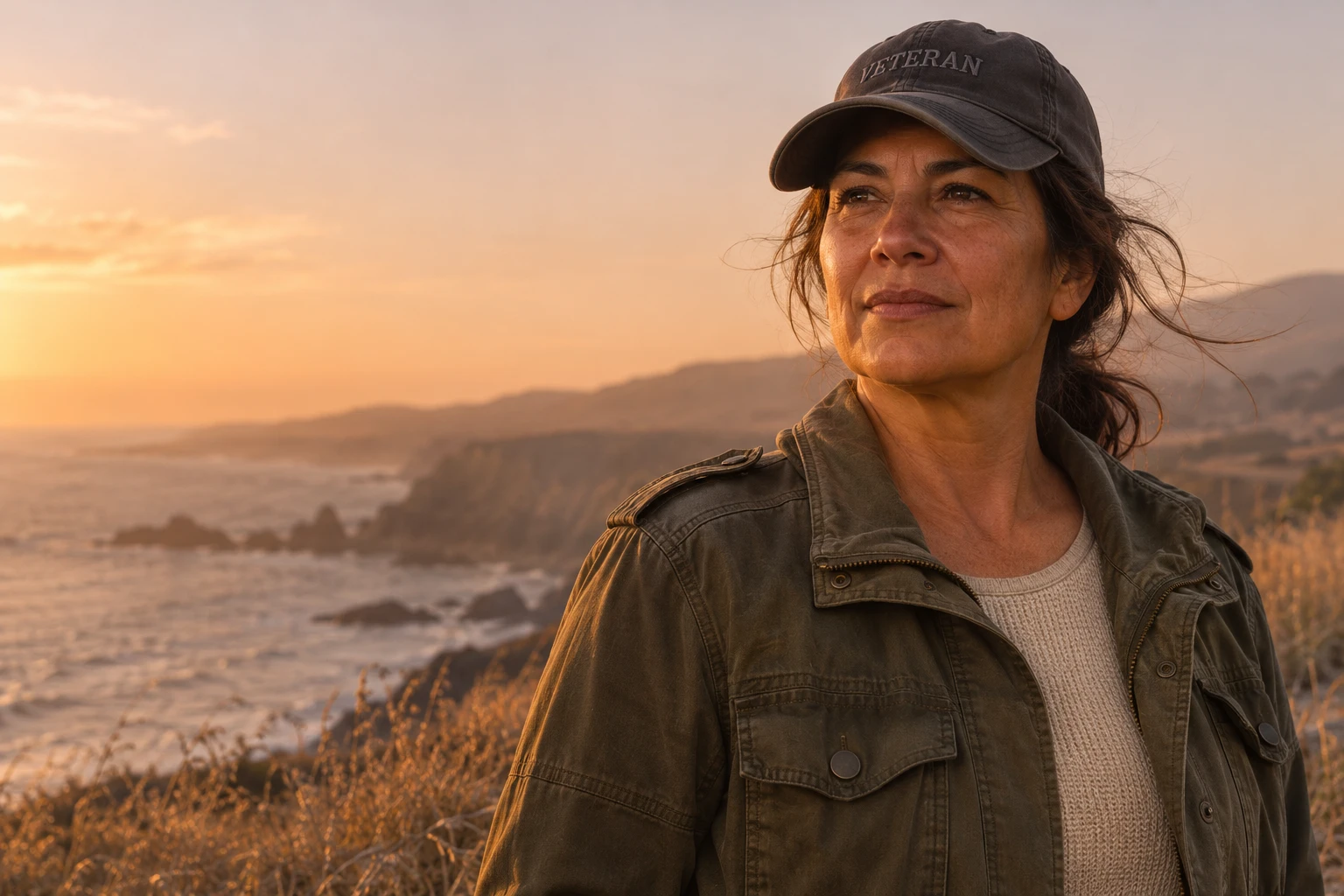
Illustrative veteran-focused lifestyle photograph.

Skin pigmentation changes

Skin pigmentation changes

Pigmentation describes skin coloring, much of which comes from melanin. Changes in melanin production can make areas darker or lighter. Many conditions and exposures can affect pigmentation, and changes may involve small patches or larger areas.

Informational preview · Benefits and availability to confirm

BEYOND THE DEFINITION

A little context.
A clearer picture.

You don’t need the perfect words.
Understanding the basics can help you ask.

01

Different changes, different causes

A darker patch can follow inflammation, sun exposure, certain medicines, or hormonal changes. Lighter areas also have several possible causes, including inflammation and some fungal conditions. A color change is a description, not a diagnosis, and one explanation does not fit every patch. [2]

02

The timeline helps narrow it down

Useful details include when the change started, how quickly it developed, whether it is spreading, and any rash that came first. Bring a medicine list and mention sun exposure or similar changes in relatives. Those details help a clinician decide what to examine. [2]

ALSO WORTH KNOWING [1]

  • Darker areas are called hyperpigmentation.
  • Lighter areas are called hypopigmentation.
  • Inflammation, sun exposure, or other factors may contribute.

Color changes have different causes. A description or photo alone may not explain a new or changing area. [1]

THE CLINICAL CONVERSATION

What a clinician
may consider.

Arrange an assessment for persistent unexplained lightening or darkening, especially when it worries you. Depending on the examination, a clinician may consider a skin sample or other tests. A spot that changes shape, size, or color needs attention rather than being treated as cosmetic. [2]

Bring the context that matters to you—your routines, your priorities, and your experience after service.

Prepare for a care conversation

THREE QUESTIONS TO BRING

Make room
for your questions.

  1. Could the earlier rash or one of my medicines explain this change?
  2. Would an examination or targeted test help clarify the cause?
  3. What changes are realistic to expect, and over what period?

A FEW STRAIGHT ANSWERS

Good questions.
Useful context.

General information to help you prepare for a conversation about your own health.

Will every color change fade with treatment?

No. Some changes improve on their own, while others persist even after treatment. The cause matters, so ask about realistic expectations before choosing a skin-lightening product. [2]

Is pigment only about darker skin?

No. Pigmentation disorders can make skin darker or lighter, affecting a small area or a larger region. The pattern and associated symptoms help guide a clinical assessment. [1]

YOUR NEXT CHAPTER

Get to know
Northguard.

Five simple questions about what you’re looking for.
A clearer view of the proposed membership at the end.

Take health quiz PREVIEW ONLY · NO ACCOUNT OR PAYMENT

This is a preference quiz, not a health assessment or enrollment. No care or prescription is arranged.

READ A LITTLE FURTHER

Sources & further reading.

  1. MedlinePlus: Skin Pigmentation Disorders
  2. MedlinePlus: Abnormally dark or light skin
Information for the conversation.

General education, not a diagnosis, treatment plan, or a list of confirmed Northguard services. A qualified clinician determines which assessment or care is appropriate.

References checked November 7, 2026. This content has not been clinically reviewed for Northguard.

Screen preview

Illustrative member experience screen

Design preview only. Final partner screens and access will be confirmed before enrollment.